MEMENTO MORI · SERA NIMIS VITA EST CRASTINA VIVE HODIE · NON EST VIVERE SED VALERE VITA EST · HOMINEM PAGINA NOSTRA SAPIT · SVMMVM NEC METVAS DIEM NEC OPTES · HOC EST VIVERE BIS VITA POSSE PRIORE FRVI · MEMENTO MORI · QVOD SIS ESSE VELIS NIHILQVE MALIS · SPQR
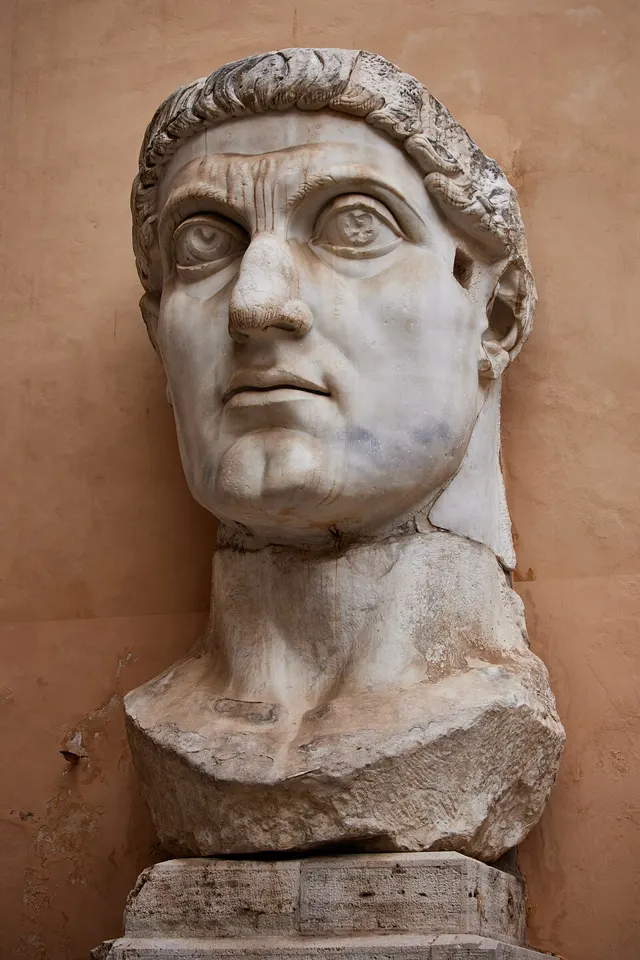
The Calendar of 354 marks 25 July as the imperial anniversary of the deified Constantine, the day in 306 when his dying father’s army made him emperor.
In 306 the Roman empire was ruled by a college of emperors. Constantius, father of the young Constantine, ruled the west from Britain and Gaul, while Constantine was kept at the eastern court of the senior emperor Galerius, in effect a hostage.
Lactantius tells a dramatic story per Lactantius. Constantius, seriously ill, asked for his son to be sent to him. Galerius had refused before, and Lactantius claims he set traps for the young man, even making him fight wild beasts. At last Galerius gave Constantine a pass one evening, telling him to leave the next morning. Constantine suspected a plot, slipped away after supper and took the post-horses from the main stations so he could not be followed. When Galerius woke at noon and found him gone, he could hardly hold back his tears. Constantine reached his father just before he died, and Constantius commended him to the soldiers.
The army proclaimed him emperor at York in Britain. For the next three decades, and long after, his accession day was celebrated: the Calendar of 354 still marks 25 July as N D CONSTANTINI, the birthday of the deified Constantine's reign, with twenty-four chariot races.
Ancient source: Calendar of 354 (25 July: N D CONSTANTINI); Lactantius, DMP 24 · Reference
Harvest finished in the uplands; threshing and storage, stubble burned or grazed, and the first ploughing of fallow per Columella 11.2. Cato advises that olive groves be hoed and vines tied in summer, and that the threshing floor be ready before grain is brought in per Cato, Agr. 2, 91.
Courts & law
Courts sat less during the Ludi Apollinares (6–13 July); much elite business paused as senators left the hot city late Republic.
Senate & politics
Renamed from Quintilis in 44 BC for Julius Caesar, born in this month. Republican consular elections were often held in July late Republic. Caesar was born on 12 or 13 July disputed: sources differ on the day; after his death the month was renamed in his honour by a law of Mark Antony in 44 BC per Macrobius 1.12.34.
Military
Peak campaign season. On 15 July the equites paraded through Rome (transvectio equitum), revived by Augustus per Suetonius, Aug. 38.
Festivals & religion
Ludi Apollinares (6–13 July), founded during the war with Hannibal; the Poplifugia (5 July); the Lucaria in sacred groves (19 and 21 July); Neptunalia (23 July) with leafy shelters against the heat per Varro and Festus.
Daily life
Water was precious: Rome's aqueducts fed public fountains, from which most people carried water up the stairs of their apartment blocks per Frontinus, De aquis. Food spoiled quickly; those without kitchens bought cooked food at taverns and street stalls. Graffiti at Pompeii record prices for bread, wine and oil, and rents for rooms per Pompeian inscriptions. Martial jokes that he lives up three tall flights of stairs, a common lot for renters satire, Martial 1.117. The well-off escaped to villas; the poor had no such option.